USC Students in Medicine and Engineering Are Turning to a Comedy Minor for Real-World Skills

The University of Southern California has offered its Comedy (Performance) Minor since 2015, and it has steadily become a surprising favorite among students pursuing majors in medicine, engineering, science, and healthcare. Around 15 to 20 undergraduates complete the minor each academic year, according to detailed reporting from the Los Angeles Times in a piece by Daniel Miller.
The program lives within the USC School of Dramatic Arts, where students train in everything from stand-up to improvisation and creative performance. The official coursework listing is available in the USC Catalogue through the university’s website at the Comedy (Performance) Minor Program page.
The minor requires 16 total units, beginning with a 4-unit core course called Comedy and Performance. Students then choose 12 elective units from options such as Improvisation and Theatre Games, Introduction to Medical Clowning, Advanced Medical Clowning, Stand-Up Comedy, Sketch Comedy, Magic, Writing Your Own Material, Public Speaking as Performance, New-Media Performance, and Satire and Parody.
One of the most distinctive elements of the minor is medical clowning, which teaches students how to use humor to support patients and build stronger emotional connections in healthcare settings. Faculty members emphasize that skills like communication, empathy, and controlled humor can meaningfully improve bedside manner for future doctors, nurses, and clinicians.
Director of Comedy Zachary Steel explained that the minor helps students develop communication, collaboration, and confidence, which he describes as vital for “any work environment where you need to take on a leadership role.” He notes that STEM and pre-med students increasingly look for ways to strengthen interpersonal and expressive abilities that their technical classes don’t naturally teach.
Real student experiences highlight that the minor’s benefits go far beyond the stage. Student Joshua Ou, majoring in Human Development and Aging and planning a career in nursing, shared that comedy courses significantly boosted his self-confidence and helped him learn to present himself more effectively.
Another student, Malaya Galindez, a Health and Human Sciences major aspiring to become a physician, said her father initially questioned why she would spend tuition money on comedy. She later explained how the coursework directly supports her future work with vulnerable patients, and he eventually came around to the idea.
A senior studying computer science initially enrolled in a comedy class just to satisfy a general education requirement but ended up minoring in the field. He said that stand-up and improvisation sharpened his interpersonal and leadership skills, attributes he believes carry weight in corporate tech environments where teamwork and communication matter as much as technical skill.
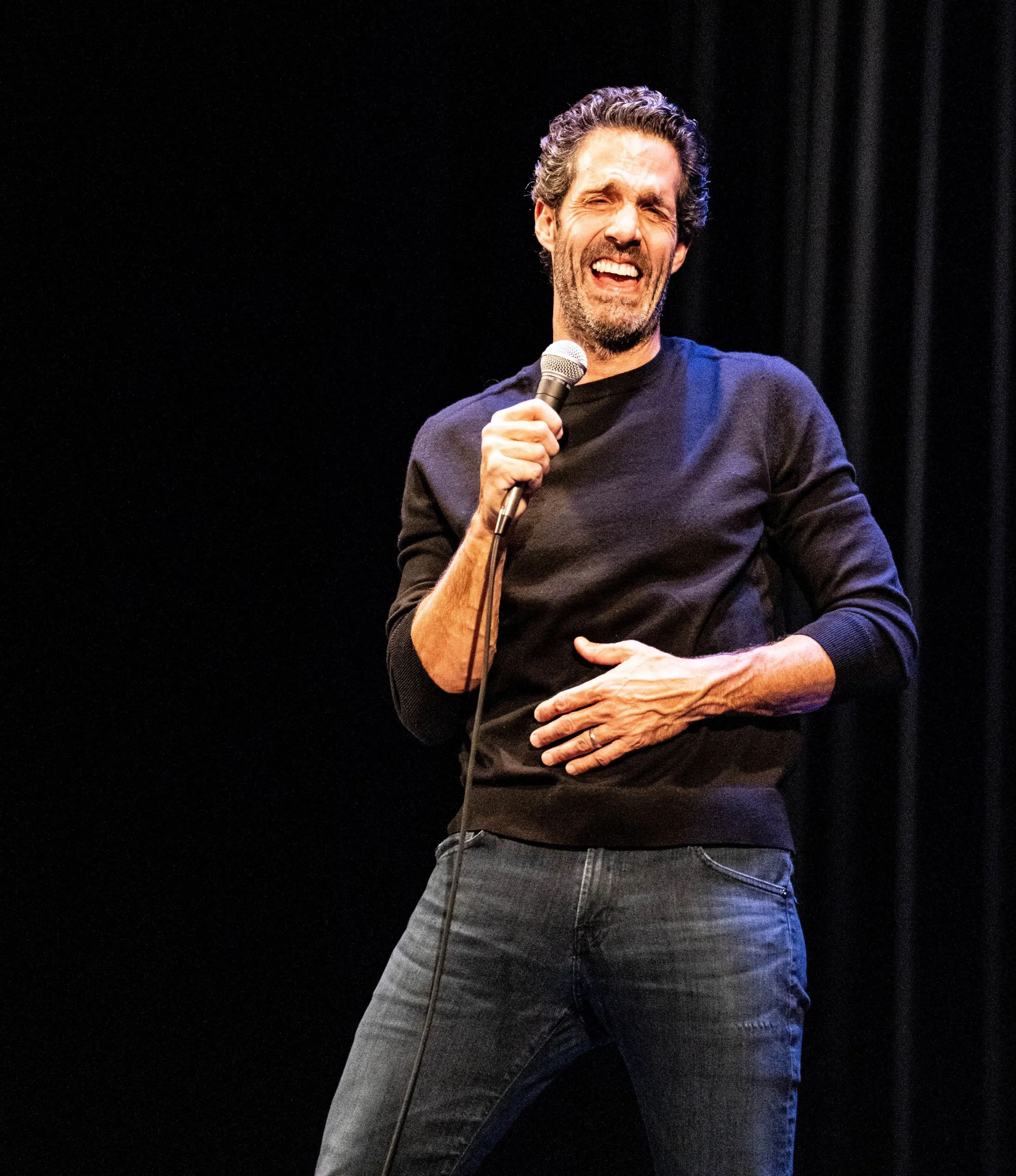
The Los Angeles Times article also described a student stand-up performance that opened with jokes about poop anxiety, preschool bathrooms, and penis size, offering a glimpse into the unfiltered and self-reflective humor students often work with onstage. The anecdote underscores that performance training pushes students to confront personal experiences and engage audiences with authenticity.
Despite its lighthearted nature, the Comedy Minor attracts students looking for structured, practical skill-building. Many describe the program as a valuable contrast to demanding STEM coursework, giving them a creative space to decompress while still gaining professionally relevant abilities.
USC’s initiative reflects a broader shift in higher education, where universities increasingly recognize the importance of human-centered skills—especially in fields traditionally dominated by technical rigor. The trend suggests that future doctors, engineers, and scientists want more than academic expertise; they want to connect, communicate, and lead with confidence.
For readers interested in the original reporting, the full article is available on the Los Angeles Times website under the title Why USC students who want to be doctors and engineers are minoring in comedy, which can be accessed through this Los Angeles Times link.